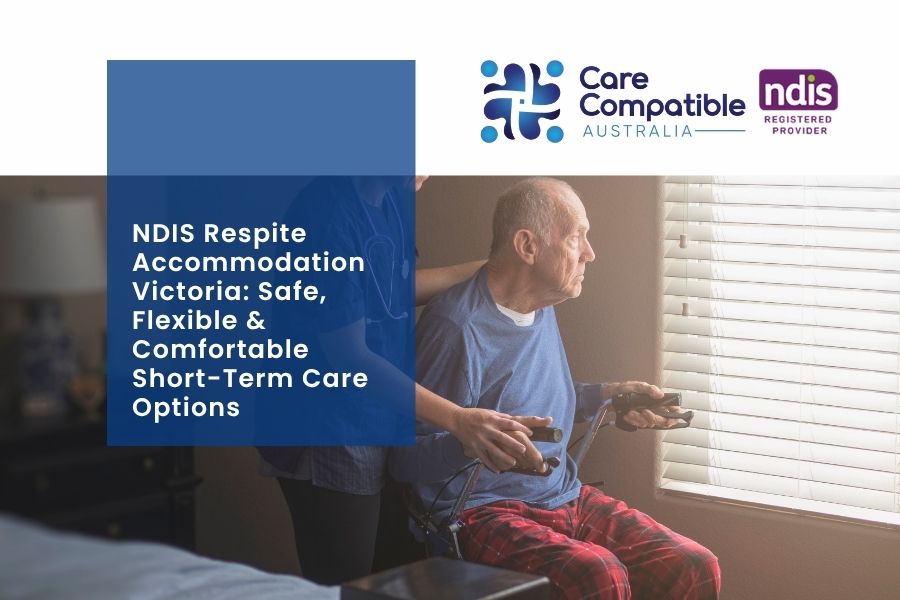
Caring for a family member with a disability is a rewarding journey, but it’s also one that can be physically and emotionally draining. Giving you all day in and day out is a huge commitment, and without an occasional break, it’s all too easy to hit a wall of burnout. That’s exactly why NDIS respite accommodation in Victoria exists. It isn’t a luxury; it’s a necessary lifeline designed to give family carers a chance to rest and recharge so they can keep providing the best support possible over the long run.
For NDIS participants, these short stays are about much more than just a change of scenery. It’s a fantastic opportunity to step out of the daily routine, meet new people, and try out different activities in a safe, supportive environment. These stays are often the perfect setting to practice independent living skills, like basic cooking or managing a morning routine, with the help of professional staff. It’s about building confidence and having a bit of an adventure while knowing all your care needs are being met.
At Care Compatible, we know finding the right place can feel tough. You want it to be safe, comfortable, and respectful. Luckily, there are many flexible choices across Melbourne and regional Victoria, including cozy community houses and modern apartments. By understanding your funding, you can easily find quality NDIS respite accommodation in Victoria options that give your whole family the health break they need.
Under current NDIS guidelines, STR is an outcome-focused support meant for rest, recovery, and learning basic independent skills. It is definitely not a holiday package. This means you cannot use your NDIS funding to pay for commercial cruise ships, luxury resort hotels, or international flights.
Instead, the funding covers stay in properties that match your disability needs. This includes high-quality, fully accessible community cottages, center-based respite houses, or standard short-stay rental properties that have been set up safely for participants.
Not every individual on the scheme automatically receives respite funding in their plan. The NDIA generally allocates funding for STA NDIS Victoria to participants who meet specific informal care criteria. You are highly likely to receive this support if:
If you are already receiving funding for Supported Independent Living (SIL) or Individualised Living Options (ILO), you generally won’t have separate STR allocations. This is because your 24/7 professional care and housing needs are already comprehensively covered by those specific plan items.
The NDIS structures its short-term support around an annual limit, giving families immense flexibility in how they choose to distribute their days across the calendar year.
How the Annual Allocation Works
Typically, eligible participants are allocated up to 28 days of short-term respite per year. You don’t have to use these days all at once. In fact, the NDIA actively encourages families to split the allocation to suit their lifestyle rhythms. Popular ways to utilize the 28 days include:
The Pricing and Staffing Ratios
When you book NDIS respite housing in Victoria, the funding is paid as a “bundled daily rate.” This means the single price line-item covers your room, meals, 24/7 care workers, and standard in-house activities. The overall cost depends significantly on your required support ratio:
A great respite stay shouldn’t just be about passing the time; it should be an enriching, empowering experience for the participant. When you access top-tier NDIS respite care in Victoria, the benefits extend far beyond a change of scenery.
1. True Carer Relief and Family Stability
When full-time caregivers get a structured break, it significantly reduces stress and long-term health complications. Returning to your care role with renewed energy fosters a healthier, more positive home environment for everyone involved.
2. Building Practical Independence and Skills
Staying in a new environment allows participants to practice essential life skills outside their familiar home dynamic. Under the gentle guidance of trained support workers, participants can practice cooking simple meals, managing personal morning routines, and making independent daily choices.
3. Social Interaction and Peer Connections
Respite homes can be wonderful social hubs. People often stay around peers with similar interests, so friendships grow in a more natural way. They might play games, share meals together, talk in groups, and join community outings which builds real confidence, not just “busy talk” confidence.
Getting your respite accommodation organized usually takes some forward thinking, especially if you’re trying to lock in a place during hectic holiday seasons.
Make sure your desired stay links clearly to a plan goal that already exists, like “building daily living skills,” “improving community participation,” or “keeping current living arrangements steady.”
3. Choose Your Preferred Setting
Pick the kind of setting that matches your vibe. Some participants really bloom in a lively, community-based respite cottage with peers around them, while others do better in quieter short-stay rental arrangements, more individual, more space.
4. Complete Intake and Matching
Meet with your chosen provider to share vital medical schedules, strict dietary needs, personal care routines, and favorite hobbies. This ensures that the staff can fully personalize your upcoming stay.
5. Confirm Funding and Lock It In
Your provider will generate a clear Service Agreement matching the NDIS pricing arrangements. Once signed, your dates are locked in, ensuring zero unexpected out-of-pocket expenses.
Yes, absolutely. If your NDIS plan has a flexible Core Supports budget (specifically under Assistance with Daily Life), you can usually use that funding for short-term respite stays, as long as the supports directly help you move toward your stated goals and meet the usual reasonable and necessary standards.
If a primary informal carer is suddenly hospitalized or experiencing an unexpected crisis, emergency respite paths are available. You should immediately contact your Support Coordinator or the NDIA directly. Providers like Care Compatible actively maintain urgent intake capacities to step in and offer rapid care options.
No, they cannot. NDIS short-term respite funding is strictly intended to cover the accommodation and care costs of the specific individual who holds the NDIS plan. It does not cover travel, accommodation, or food expenses for family members, friends, or private support workers who choose to accompany you.
Short-Term Respite focuses heavily on giving your informal caregivers a temporary break or helping you build short-term independent skills. Medium-Term Accommodation (MTA), on the other hand, is funded strictly as bridging housing for up to 90 days while you wait to move into your permanent home.
Yes, you certainly can. If a participant prefers the comfort of their own familiar surroundings, you can utilize your funding to arrange an in-home respite setup. In this scenario, a professional support worker comes to stay at your house to manage daily care routines while your family takes a break elsewhere.
At Care Compatible, we don’t believe in a one-size-fits-all approach to disability care. We understand that a great respite stay is built entirely around comfort, safety, and individual choices.
Whether you’re looking to build your daily independence, make new friends in a vibrant community environment, or ensure your primary family carer gets the deep, restorative rest they truly deserve, our dedicated team is here to tailor the perfect stay for you.
Ready to explore our safe and flexible short-term accommodation options?
Get in touch with the friendly team at Care Compatible today to chat through your goals, discuss your plan, and book your next stress-free stay.